
The Enduring Philosophy of Comfort in the Modern Silhouette: An Exploration of Effortless Wear
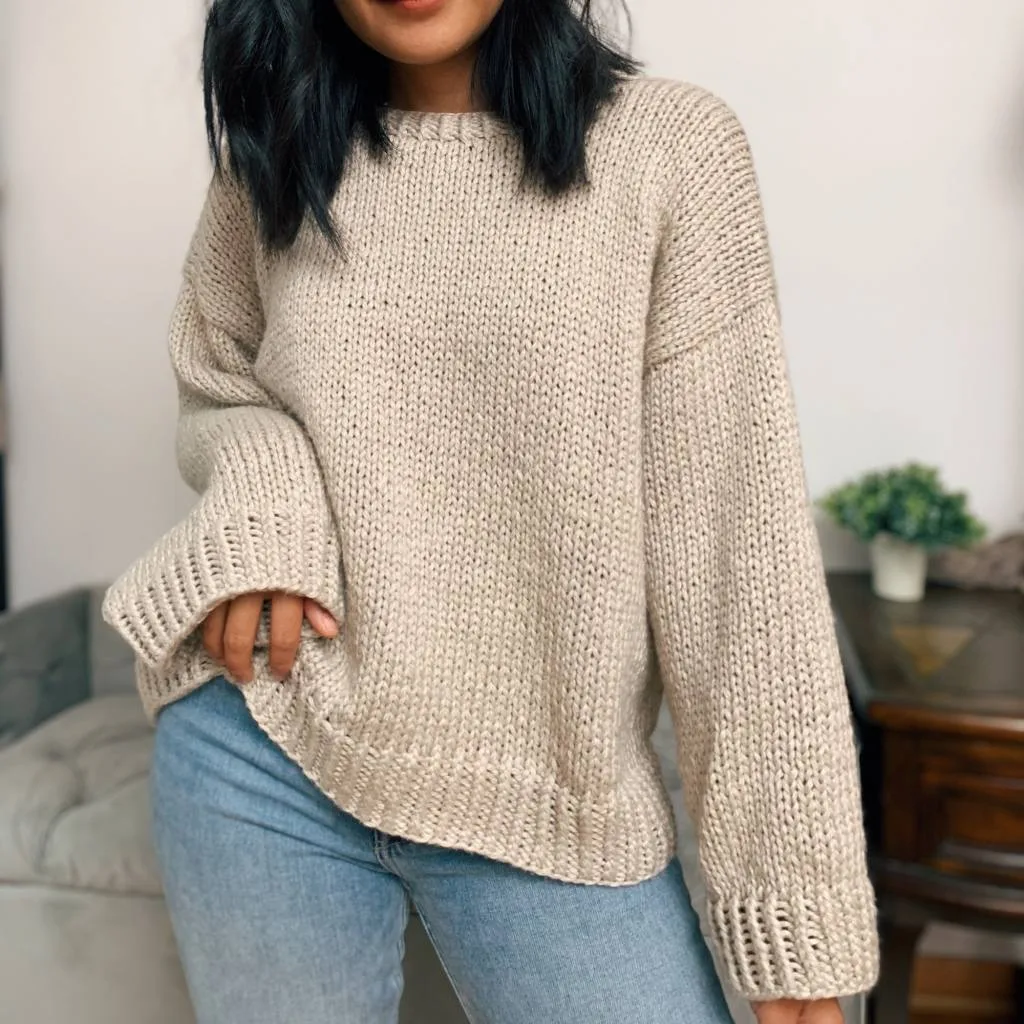
The garment in question, a masterful fusion of foundational design principles and contemporary ease, presents a profound opportunity to examine the modern relationship between clothing, physical comfort, and psychological well-being. It is more than just a piece of apparel; it is a statement on the prioritization of self-care and an embrace of the relaxed aesthetic that has fundamentally redefined modern style. This particular design, characterized by its generous tunic length and gently relaxed fit, moves beyond the restrictive confines of traditional structured garments, offering the wearer a fluid, unencumbered experience that supports dynamic movement and prolonged wear. The tunic silhouette itself carries a rich history, tracing its lineage back to ancient civilizations where it served as a universal, functional, and dignified form of dress, free from the societal constraints later imposed by fitted tailoring. By revisiting and reinterpreting this ancient form, the contemporary designer taps into a primal appreciation for clothing that simply flows with the body, rather than dictating its shape. This design choice speaks volumes about the current cultural moment, one that values authenticity and comfort above rigid formality, viewing clothing not as a mechanism for external display, but as an extension of one’s internal state. The adoption of the extended length is particularly significant, creating a visually pleasing, elongated line that offers extensive coverage, lending a sense of relaxed modesty and versatility. This deliberate design decision transforms the top from a simple layer into a foundational piece capable of anchoring a diverse range of outfits, effortlessly transitioning between home-bound leisure and external engagement. It serves as a visual sigh of relief in a world that often demands visual sharpness and structural rigidity. The inherent comfort is not merely a byproduct of the loose fit; it is meticulously engineered through the selection of materials and the execution of the cut, ensuring that the fabric drapes elegantly without clinging, and that the garment maintains its structural integrity without feeling stiff or burdensome. This commitment to ‘engineered comfort’ elevates the piece from mere casual wear to a sophisticated element of a well-considered wardrobe. The soft, textured finish of the fabric further enhances this sensory experience, inviting touch and promising warmth without the bulk often associated with heavier knits. This tactile quality is a crucial, often overlooked aspect of comfort—the way a garment feels against the skin can dramatically influence one’s mood and self-perception throughout the day. When a piece of clothing feels good, the wearer feels better, projecting confidence that stems from a deep, internal sense of ease. Furthermore, the philosophy embedded in this piece challenges the conventional notion that comfort must compromise style. Instead, it posits that true elegance is found in the confidence derived from absolute physical contentment. The subtlety of its detailing, particularly the refined texture found on the sleeves, prevents the relaxed shape from becoming overly simplistic, injecting a crucial element of visual interest that signifies thoughtful design. This delicate balance—between supreme comfort and considered detail—is the hallmark of modern, sophisticated leisurewear. The piece thus becomes a reliable cornerstone, a garment a person can instinctively reach for on days when simplicity is paramount, yet a sense of cultivated style remains desirable. Its versatility is its silent strength, allowing it to adapt to countless environments—from a quiet morning at home with a book to a casual weekend gathering—all without requiring a fundamental change in posture or attitude. It embodies a liberation from the tyranny of high-maintenance dressing, championing a fluid, easygoing existence. The tunic’s aesthetic success lies in its ability to be simultaneously unassuming and impactful, a visual anchor that grounds the rest of the ensemble. This is the new architecture of dressing: built on the foundation of the human form, designed for life lived fully, and utterly committed to the principle that feeling good is the first step to looking great. The very existence of this style reflects a societal shift toward prioritizing personal well-being, recognizing that the clothing we choose is an immediate, daily decision about how we wish to inhabit our bodies and navigate the world. By choosing this silhouette, one chooses space, breathability, and a quiet confidence that needs no elaborate decoration to announce its presence. This enduring philosophy of comfort, woven into every thread and fold of the tunic, ensures its place as an indispensable element in the lexicon of modern, mindful dressing, affirming that true style always begins with a commitment to self-ease. The way the hem gently curves and splits further underscores this dedication to movement and softness, preventing the fabric from restricting the legs and introducing a subtle, dynamic element to the otherwise solid form. This detail is a tiny, functional architectural choice that enhances the garment’s overall drape and aesthetic fluidity, demonstrating that every element, no matter how small, has been considered to maximize both visual appeal and practical wearability. The holistic effect is a piece that feels lived-in from the first wear, effortlessly integrating into the wearer’s life and becoming a familiar, trusted companion through the various rhythms of the day and changing seasons. It is a quiet revolution against structured fashion, favoring organic shape and personal tranquility.